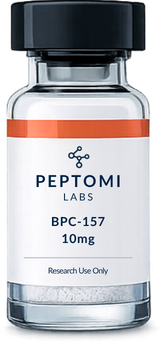
BPC-157 (Body Protection Compound 157) is a synthetic 15-amino-acid peptide based on a protein fragment found in gastric juice, studied for angiogenesis, collagen organisation and gut-lining integrity in wound-healing and musculoskeletal models. Supplied as a lyophilised 10 mg vial for laboratory reconstitution.
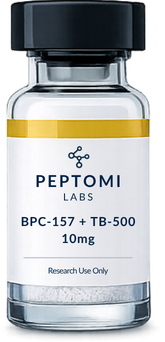
BPC-157 + TB-500 combines two tissue-repair research peptides in one vial: BPC-157, a synthetic gastric-protein fragment studied for angiogenesis and gut-lining integrity, and TB-500, a thymosin beta-4 fragment studied for cell migration and recovery signalling. Supplied as a lyophilised 10 mg combined vial for laboratory reconstitution.
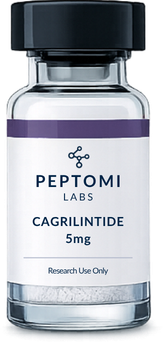
Cagrilintide is a long-acting synthetic analogue of amylin, a hormone released with insulin from the pancreas, studied for satiety signalling, glucose regulation and metabolic homeostasis, including alongside GLP-1 class peptides. Supplied as a lyophilised 5 mg vial for laboratory reconstitution.
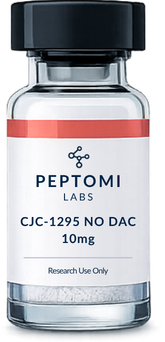
CJC-1295 No DAC (Mod GRF 1-29) is a modified 29-amino-acid fragment of growth-hormone-releasing hormone without the drug-affinity complex that extends CJC-1295’s half-life, studied for pulsatile growth hormone release and secretagogue kinetics. Supplied as a lyophilised 10 mg vial for laboratory reconstitution.
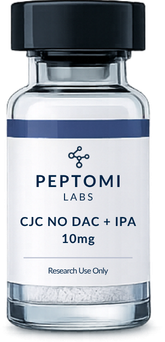
CJC-1295 No DAC + Ipamorelin combines two growth hormone secretagogues in one vial: CJC-1295 No DAC, a modified GHRH fragment that signals the pituitary, and Ipamorelin, a ghrelin mimetic acting at the GHS-R1a receptor, studied for combined pulsatile GH release. Supplied as a lyophilised 10 mg vial for laboratory reconstitution.
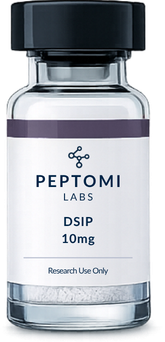
DSIP (delta sleep-inducing peptide) is a naturally occurring neuropeptide first isolated from the brain in the 1970s, studied for sleep architecture, circadian rhythm and stress-hormone (HPA axis) regulation in neuroendocrine models. Supplied as a lyophilised 10 mg vial for laboratory reconstitution.
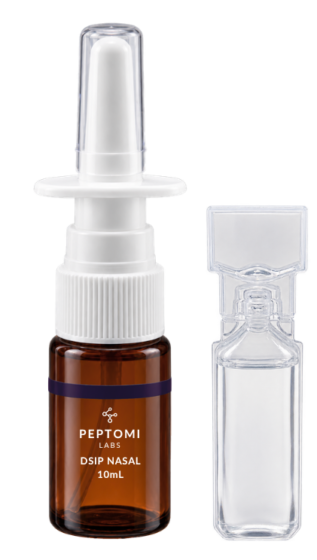
DSIP (delta sleep-inducing peptide) is a naturally occurring neuropeptide first isolated from the brain, studied for sleep architecture, circadian rhythm and stress-hormone regulation. 10 mg vial supplied with sterile saline for intranasal research preparation.
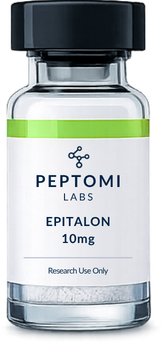
Epitalon is a synthetic four-amino-acid peptide (Ala-Glu-Asp-Gly) modelled on epithalamin, an extract of the pineal gland, studied for telomerase activity, pineal and circadian signalling and ageing-related cellular pathways in longevity research. Supplied as a lyophilised 10 mg vial for laboratory reconstitution.
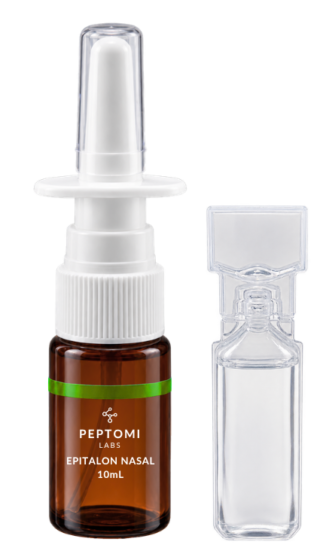
Epitalon is a synthetic four-amino-acid peptide (Ala-Glu-Asp-Gly) modelled on epithalamin, a pineal gland extract, studied for telomerase activity, circadian regulation and cellular-ageing markers. 10 mg vial supplied with sterile saline for intranasal research preparation.
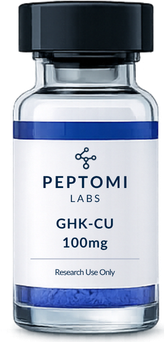
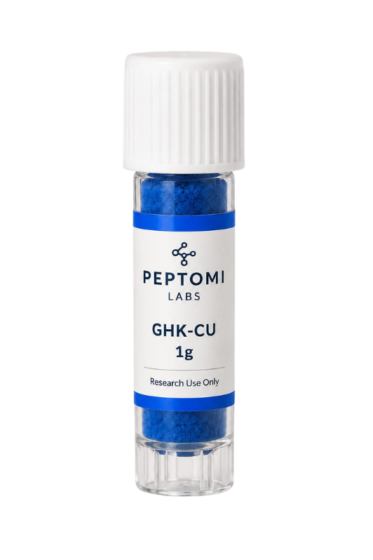
GHK-Cu is a naturally occurring tripeptide (glycine-histidine-lysine) that binds copper, found in human plasma and declining with age, studied for collagen synthesis, skin remodelling and wound contraction in dermal and extracellular matrix research. Supplied as a lyophilised 100 mg vial for laboratory reconstitution.
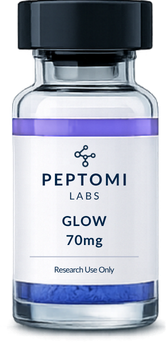
Glow Blend is a three-peptide blend of 50 mg GHK-Cu, 10 mg BPC-157 and 10 mg TB-500 in one vial, combining the copper peptide studied for collagen synthesis with two tissue-repair peptides for collagen, elasticity and dermal matrix research. Supplied as a lyophilised 70 mg vial for laboratory reconstitution.