
Research journal
Wolverine (BPC-157 + TB-500)
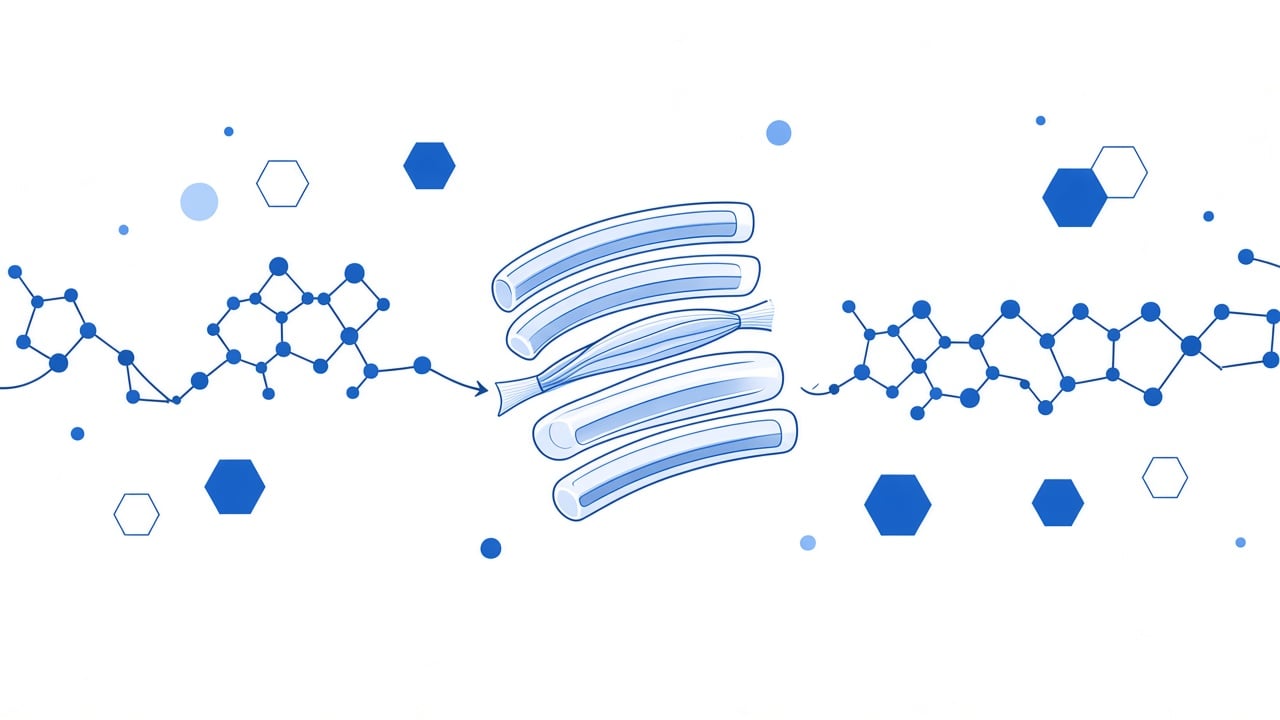
“Wolverine” sounds like one dramatic compound, but it is community shorthand for two separate research peptides: BPC-157 and TB-500. Here is how the nickname took hold, why the pair is discussed together, and where the evidence is still much thinner than the online reputation.
Why people call it Wolverine
The name came from peptide and fitness communities, not a laboratory nomenclature guide. It borrows the image of a comic-book character known for rapid regeneration and applies it to a pairing that is widely discussed in tissue-repair conversations. The nickname is memorable, but it can make the blend sound more established than it is.
Wolverine is not a third molecule and it is not a standard formula. It describes BPC-157 and TB-500 supplied together. Different sellers can use the same nickname for different total masses or ratios, so the component names and batch documentation matter more than the label. The Peptomi vial is labelled by its 10 mg combined total.
Why these two keep getting paired
BPC-157 is a synthetic 15-amino-acid peptide discussed in preclinical work on tendon, muscle, blood-vessel signalling and soft-tissue models. TB-500 is a research peptide related to thymosin beta-4 and is commonly discussed around actin, cell movement and tissue organisation. Those different research stories are why communities often describe the pair as complementary.
That explanation is a hypothesis, not proof that two ingredients automatically produce a larger effect together. Most of the literature behind the Wolverine conversation studies BPC-157, thymosin beta-4 or TB-500 separately. Forum posts add personal recovery stories, but uncontrolled accounts cannot separate the blend from rest, rehabilitation, time or other variables.
What the combination evidence says so far
A 2026 exploratory rat study directly compared BPC-157, TB-500, the combination and a control after Achilles tendon repair. The researchers reported changes in tendon architecture and collagen organisation, but the combined group did not show an additional benefit over the individual compounds. It was a small animal study at one time point, not a human trial.
That result is more useful than the superhero nickname because it tests the pairing instead of assuming the separate literatures simply add together. It also leaves major questions open: dose selection, timing, longer-term biomechanics, reproducibility and human safety have not been settled. For catalogue research, this vial should be treated as a defined two-component experimental material rather than evidence of a clinical outcome.
Need concentration maths for a labelled vial mass? Use the peptide calculator.
Matching research vials
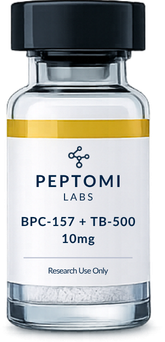
Peptomi Labs supplies research-grade materials for qualified laboratory use. These notes are not medical advice and they are not a protocol for human or veterinary use. Not for human or veterinary consumption.