
Research journal
What is KPV?
KPV is only three amino acids long, yet online discussions connect it with everything from gut comfort to irritated skin. Here is where that interest came from, what people report, and why the evidence still needs careful reading.
How three letters became a gut-and-skin talking point
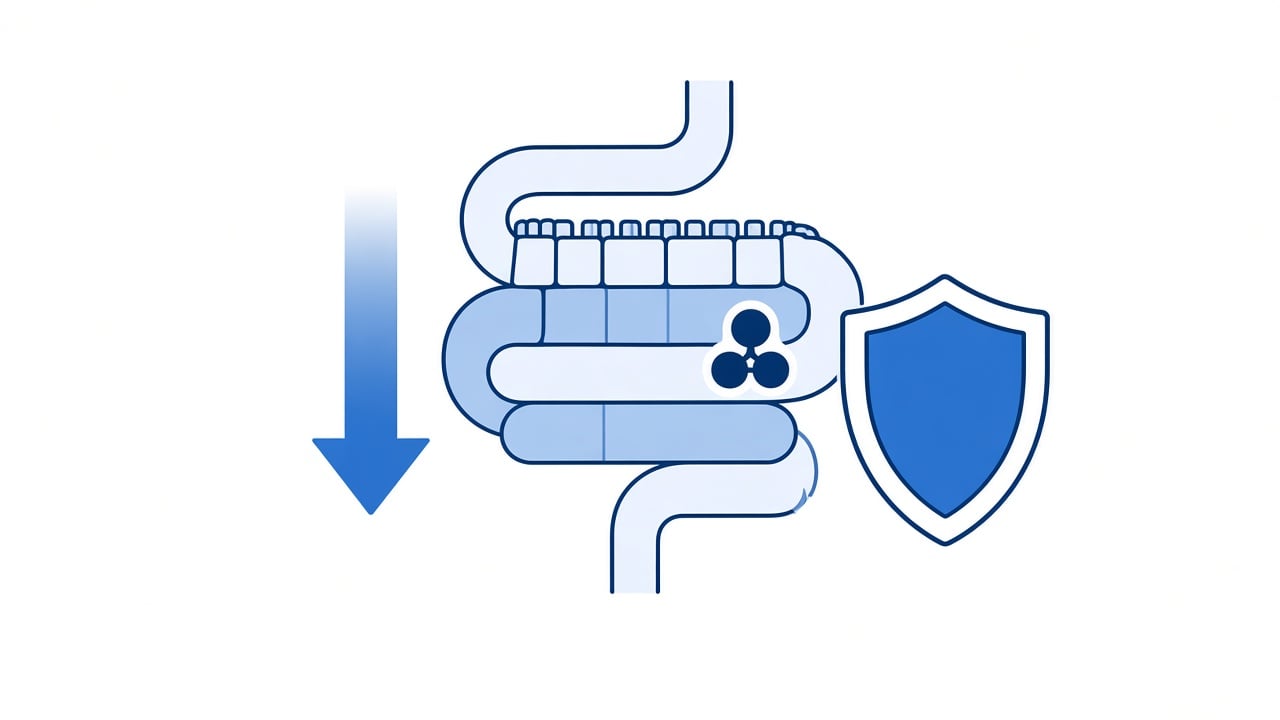
KPV is simply lysine-proline-valine: three amino acids taken from the tail end of α-MSH. Its parent peptide belongs to the melanocortin family, but KPV is usually discussed for inflammation and barrier research rather than tanning or pigmentation. That is why it appears in conversations about both gut models and irritated skin.
The tiny size makes KPV sound simple, yet the online claims around it are anything but. Some blogs describe it as a highly targeted answer for almost every inflammatory problem. The published picture is narrower and mostly preclinical.
What people report online
Community accounts are mixed. Some posters describe quieter digestion or fewer skin flare-ups; others report no clear change, headaches, fatigue or worsening symptoms. One thoughtful comment noted that a subtle improvement was hard to separate from simultaneous diet changes. That is exactly the limitation of anecdotes: they can suggest questions, but they cannot control the variables.
Forums are still useful for learning what readers care about. With KPV, the recurring questions are whether gut and skin effects are connected, how long an observation takes to appear, and whether results persist. At present, controlled human data are not available to answer those questions confidently.
What researchers have actually studied
Cell and animal studies have looked at inflammatory signalling, cytokines and epithelial-barrier models, including experimental colitis and skin inflammation. NF-κB often appears in the explanation because it helps regulate inflammatory responses. Promising activity in those models is a reason for more research, not proof of a human outcome.
KPV also should not be confused with MT-1, MT-2 or PT-141 simply because they share ancestry in the melanocortin story. Those are longer analogues with different research uses. The product link below is for standalone KPV; blends containing KPV need to be evaluated as separate experimental materials.
Need concentration maths for a labelled vial mass? Use the peptide calculator.
Matching research vials
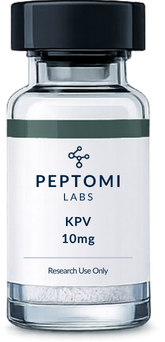
Peptomi Labs supplies research-grade materials for qualified laboratory use. These notes are not medical advice and they are not a protocol for human or veterinary use. Not for human or veterinary consumption.